
Introduction
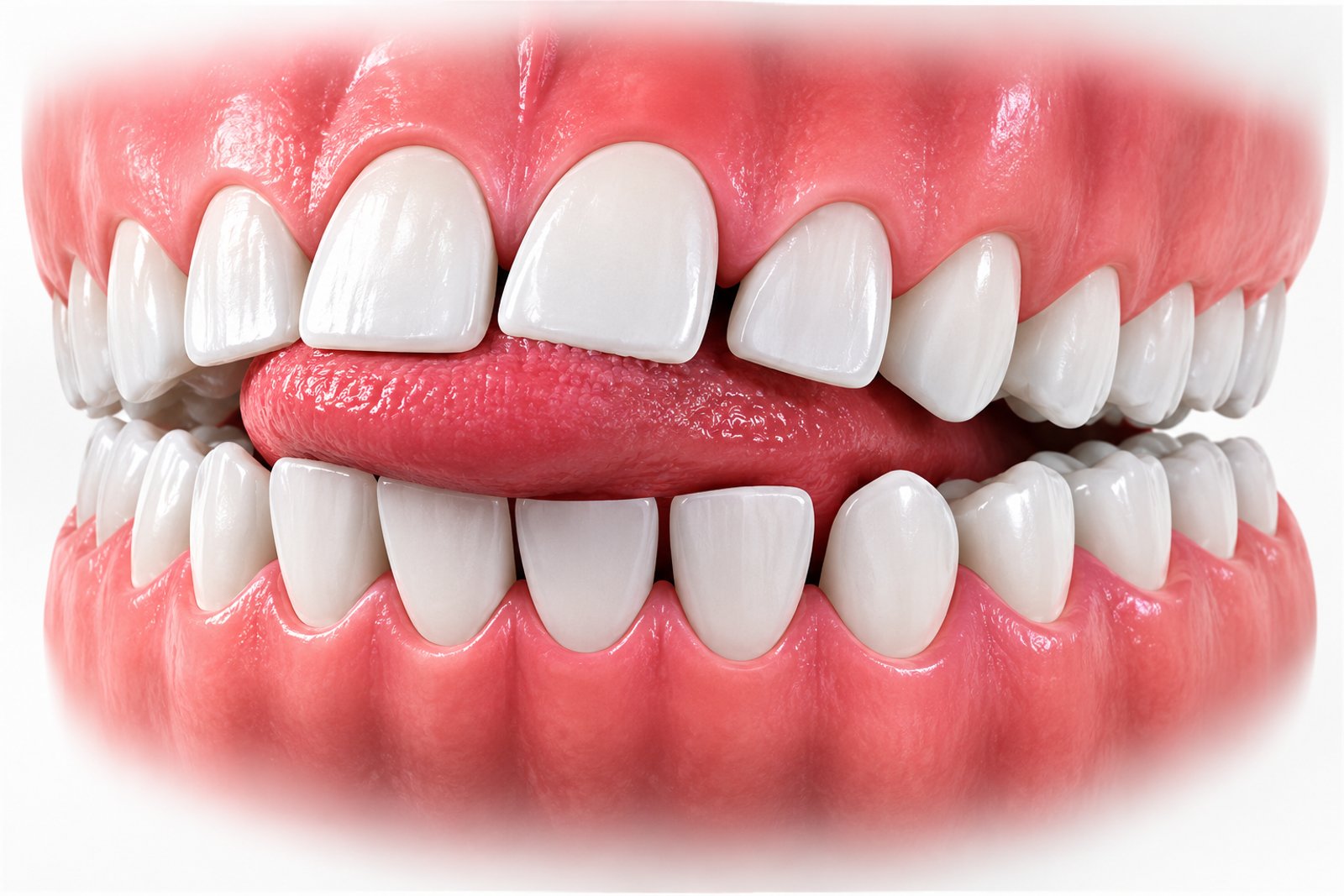
Tongue thrusting is a common condition where the tongue pushes against or between the teeth during swallowing, speaking, or even at rest. Because this habit can affect dental health and speech, it is important to understand its causes and effects. Early detection of tongue thrusting can help prevent long-term dental and speech problems. In this blog, you will learn about the causes, symptoms, diagnosis, and treatment of tongue thrusting. You will also find helpful tips for prevention and guidance on when to seek professional help.
Causes of Tongue Thrusting
There are several reasons why someone may develop tongue thrusting. Sometimes, it starts in childhood and continues into adulthood. Other times, it can develop later due to certain habits or health issues. For example, prolonged thumb sucking or using a pacifier can lead to tongue thrusting. In addition, allergies or enlarged tonsils may cause mouth breathing, which can also contribute to this condition. Sometimes, genetics play a role. If parents had tongue thrusting, their children might be more likely to have it too. Furthermore, missing teeth or poorly fitted dental appliances can encourage the tongue to move forward.
Common Symptoms and Signs
Recognizing the signs of tongue thrusting is important for early treatment. Often, children and adults with this habit may show certain symptoms. For instance, you may notice the tongue pushing between the teeth when swallowing or speaking. Over time, this can cause teeth to move out of place. Additionally, some people develop a lisp or have trouble pronouncing certain sounds. In some cases, the front teeth may not come together when biting down. Because these signs can affect both dental health and speech, it is important to watch for them.
How Tongue Thrusting Is Diagnosed
Diagnosing tongue thrusting usually involves a dental or speech evaluation. First, a dentist or orthodontist will check the position of the teeth and jaw. They may also watch how the tongue moves during swallowing and speaking. Sometimes, a speech-language pathologist will assess speech patterns and tongue placement. In some cases, X-rays or dental impressions may be used to see how the teeth fit together. Early diagnosis helps prevent further dental or speech problems. Therefore, regular dental checkups are important for children and adults.
Treatment Options and Management Strategies
Treating tongue thrusting often requires a team approach. Dentists, orthodontists, and speech therapists may all be involved. For many people, therapy to retrain the tongue is helpful. This is called orofacial myofunctional therapy. It teaches new swallowing and speaking habits. In some cases, dental appliances like braces or special retainers can help guide the tongue and teeth into the correct position. If allergies or enlarged tonsils are causing mouth breathing, treating those issues can also help. Consistency is key, so following the treatment plan is important for success.
Prevention Tips and Lifestyle Guidance
Although not all cases can be prevented, there are steps you can take to lower the risk of tongue thrusting. For young children, limit thumb sucking and pacifier use after age two. Encourage children to breathe through their nose instead of their mouth. In addition, regular dental visits can help catch early signs. If your child has allergies or frequent nasal congestion, seek medical advice. Practicing good oral habits and following your dentist’s advice can also make a big difference.
When to Consult a Dentist or Specialist
If you notice signs of tongue thrusting in yourself or your child, it is important to seek help. Early treatment can prevent dental and speech problems. You should consult a dentist or orthodontist if you see:
Additionally, a speech-language pathologist can help with speech issues related to tongue thrusting. Remember, early action leads to better outcomes.
Consult a dental specialist at Sun Dental Care for personalized advice on tongue thrusting.