What Are Dental Sealants?
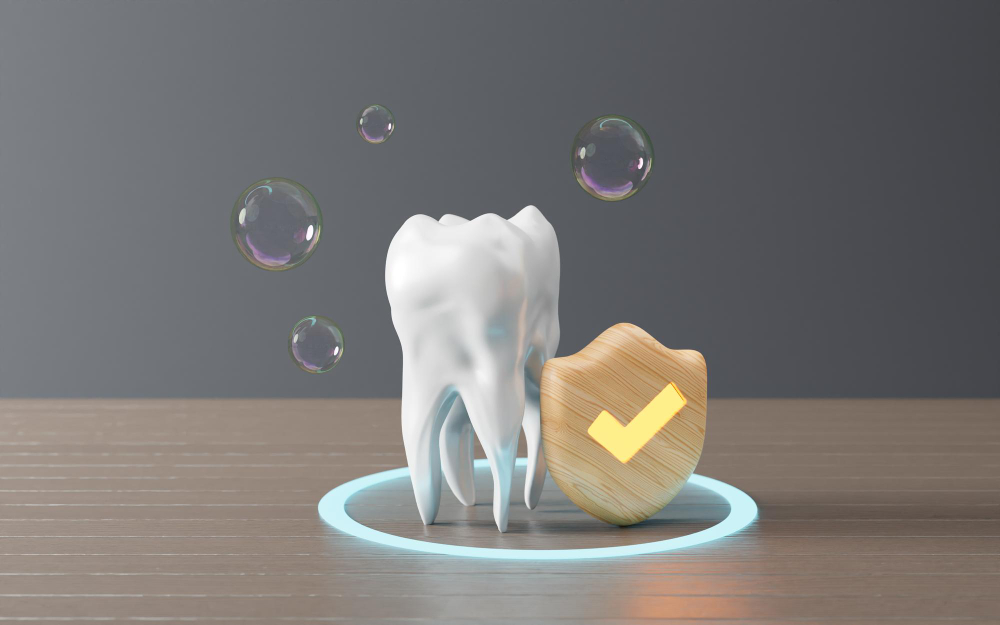
Dental sealants are thin, protective coatings placed on the chewing surfaces of back teeth. Usually, dentists use them on molars and premolars. These teeth have grooves where food and germs can get stuck. As a result, they are more likely to get cavities. Dental sealants act as a shield, keeping out harmful bacteria and food. According to the CDC, sealants can prevent up to 80% of cavities in children’s back teeth.
How Do Dental Sealants Work?
First, the dentist cleans the tooth. Then, a special gel is applied to help the sealant stick. After a few seconds, the gel is rinsed off. Next, the dentist paints the sealant onto the tooth. Finally, a blue light hardens the sealant. Because the sealant covers the grooves, it blocks germs and food from causing decay. In this way, dental sealants for cavity prevention are very effective.
Who Should Get Dental Sealants?
Most often, children and teens get dental sealants. However, adults without fillings or decay in their back teeth can benefit too. The best time for sealants is when the first and second molars come in. This usually happens around ages 6 and 12. Still, anyone at risk for cavities may consider protecting teeth with sealants. Ask your dentist if sealants are right for you or your child.
Benefits of Dental Sealants
Because sealants are so effective, many dentists recommend them as part of a healthy smile plan.
The Dental Sealant Procedure
Getting dental sealants is simple and does not hurt. Here is what you can expect:
After the procedure, you can eat and drink right away. The whole process takes only a few minutes per tooth.
Aftercare and Longevity
Sealants can last several years with good care. However, they may wear down over time. Dentists check sealants during regular visits. If needed, they can repair or replace them. To help sealants last longer, avoid biting hard objects like ice or pens. Also, brush and floss every day. With proper care, sealants can protect your teeth for up to 9 years, according to the CDC.
Prevention and Oral Hygiene Tips
Even with sealants, good oral hygiene is important. Here are some tips to keep your teeth healthy:
Because sealants work best with good habits, follow these steps for a healthy smile.
Frequently Asked Questions
In summary, dental sealants are a simple way to protect your teeth from cavities. They are safe, quick, and effective for both children and adults. Consult your dentist at Sun Dental care to find out if dental sealants are right for you.