
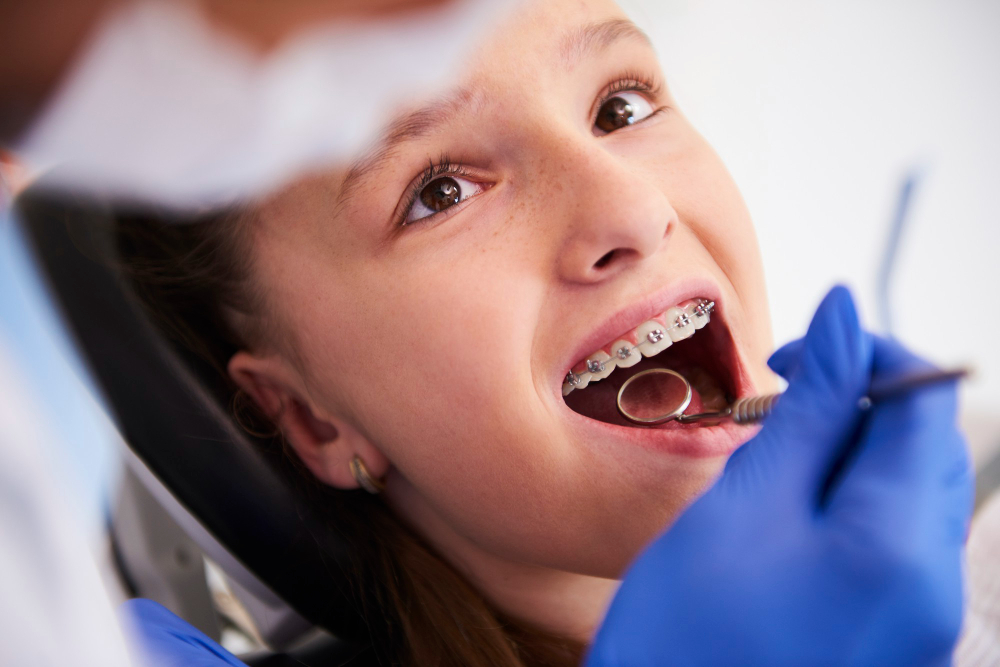
Introduction to Metal Braces
Metal braces are a common way to straighten teeth. They use small metal brackets and wires to move teeth into better positions. Many people choose metal braces because they are strong and effective. In fact, metal braces have helped millions of people get a healthier smile. If you want to fix crooked teeth or bite problems, metal braces may be a good choice.
Benefits of Metal Braces
Metal braces offer many advantages. First, they are very durable. Because they are made of stainless steel, they rarely break. Also, metal braces work well for both simple and complex cases. Here are some key benefits:
Additionally, metal braces often work faster than some other options. For many people, this means a shorter treatment time.
Who Needs Metal Braces?
Not everyone needs metal braces. However, they are helpful for people with:
Sometimes, children and teens get braces, but adults can benefit too. If your dentist or orthodontist sees bite or alignment issues, they may suggest metal braces. For example, if you have trouble chewing or cleaning your teeth, braces can help.
The Procedure for Getting Metal Braces
Getting metal braces is a step-by-step process. Here is what you can expect:
Usually, the process is not painful. However, you may feel some pressure or soreness for a few days after each adjustment.
Care and Maintenance Tips for Metal Braces
Proper care is important for healthy teeth and gums during treatment. Here are some tips:
Moreover, regular dental check-ups help prevent problems. Your dentist can give you more advice on cleaning around braces.
Common Challenges and How to Manage Them
While metal braces are safe, some people face challenges. For instance, you may feel discomfort after adjustments. To ease soreness, you can:
Sometimes, brackets or wires may break. If this happens, call your dentist right away. Also, avoid chewing on pens or ice to prevent damage.
Expected Results and Timeline
Most people wear metal braces for 18 to 24 months. However, the exact time depends on your needs. With regular care, you can expect:
After braces are removed, you may need to wear a retainer. This helps keep your teeth in their new positions.
Prevention of Complications
Good habits can help you avoid problems with metal braces. For example, brush and floss daily to prevent cavities. Also, keep all dental appointments. If you notice swelling, bleeding, or loose brackets, contact your dentist quickly. Early action can stop small issues from becoming big problems.
Conclusion
Metal braces are a proven way to fix many dental issues. They are strong, effective, and suitable for most people. With the right care, you can enjoy a healthy, straight smile. Consult a dentist at Sun Dental care
if your are looking for braces.