
What Is a Pulpotomy in Children?
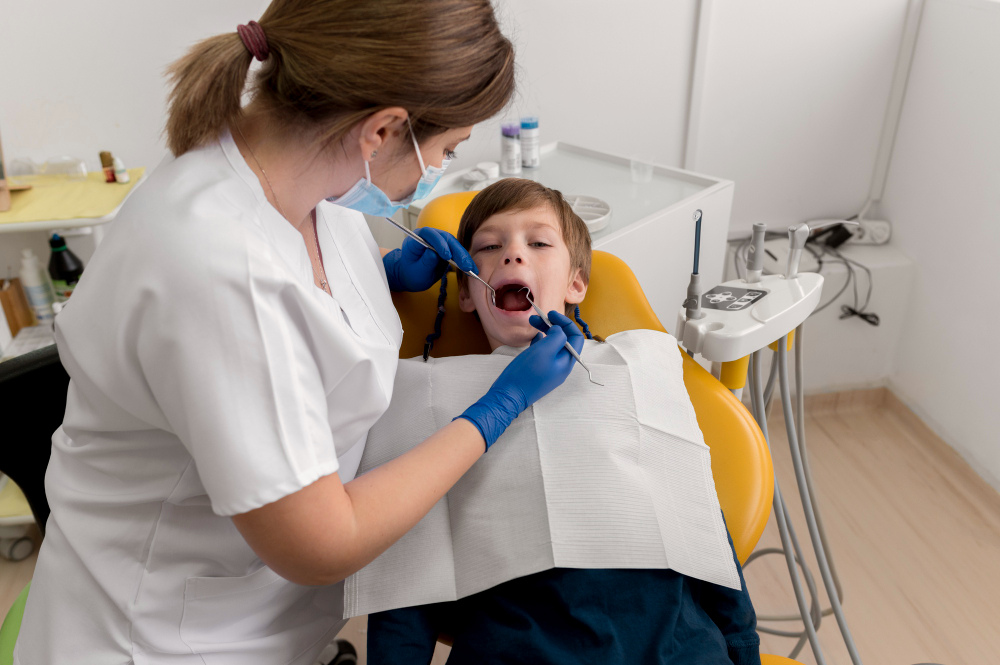
Pulpotomy in children is a common dental treatment for saving a baby tooth. When a child’s tooth nerve, or pulp, gets infected or damaged, dentists may suggest this procedure. In many cases, pulpotomy helps keep the tooth healthy until it is ready to fall out naturally. For example, dentists often use pulpotomy in children to treat deep cavities or injuries. This treatment is also called a baby tooth pulpotomy or kids’ tooth nerve treatment. In Houston and other cities, pediatric dentists perform this procedure to help children avoid early tooth loss.
Common Symptoms Indicating a Need for Pulpotomy
Sometimes, children show signs that their tooth pulp is in trouble. Early attention can help prevent more serious problems. Look for these symptoms:
However, not every toothache means a pulpotomy is needed. Still, if you notice these signs, it is best to visit a dentist soon.
Causes Leading to Pulpotomy in Children
Several things can damage the pulp inside a child’s tooth. Most often, tooth decay is the main cause. When bacteria break down sugar in the mouth, they create acid. This acid can eat away at the tooth, reaching the pulp. In addition, injuries from falls or bumps can harm the tooth nerve. Sometimes, repeated dental work on the same tooth can also cause pulp problems. Because baby teeth are softer than adult teeth, they are more at risk for these issues.
How Dentists Diagnose the Need for Pulpotomy
First, dentists ask about your child’s symptoms and medical history. Next, they examine the tooth and surrounding gums. Often, they use X-rays to see inside the tooth and check the pulp. With these tools, dentists can decide if a pulpotomy in children is the best option. Sometimes, they may test the tooth’s response to cold or gentle tapping. If the pulp is still partly healthy, a pulpotomy can save the tooth. Otherwise, a different treatment may be needed.
The Pulpotomy Procedure: Step-by-Step
Although the idea of dental treatment can sound scary, pulpotomy is gentle and quick. Here is how the process usually goes:
Because most children tolerate the procedure well, many can return to normal activities the same day.
Recovery and Aftercare for Children
After a pulpotomy, children usually recover quickly. Still, some mild soreness or swelling may happen for a day or two. To help your child heal, follow these tips:
Most children feel better soon. However, if pain or swelling gets worse, contact your dentist right away.
Tips for Preventing Dental Issues in Children
Good dental care can help prevent the need for pulpotomy in children. For example, you can:
Because early care is important, start dental visits by your child’s first birthday. With these habits, you can help protect your child’s smile for years to come. Sun Dental care is the best children friendly dental with top dentist providing all types of dental treatment, consult now.