
Introduction to Modern Dental Technology
Dental care has changed a lot in recent years. Today, modern dental technology helps dentists give better care. For example, intraoral scanners in dentistry are now widely used. These devices create digital dental impressions quickly and easily. As a result, both patients and dentists enjoy many benefits. In this blog, we will explore how intraoral scanners work and why they matter.
What Are Intraoral Scanners?
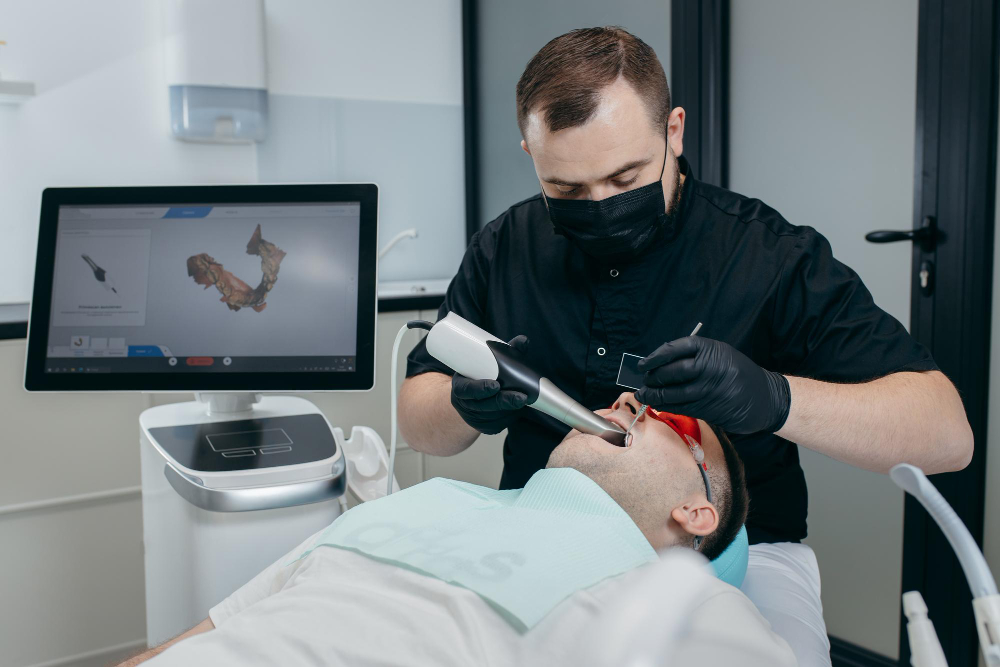
Intraoral scanners are small, handheld devices. Dentists use them to take pictures inside your mouth. Instead of using messy putty, they scan your teeth and gums. Then, the scanner creates a digital 3D image. This image is called a digital dental impression. Because of this, the process is faster and more comfortable for you.
How Intraoral Scanners Work
First, the dentist moves the scanner around your teeth. The device uses light to capture many images. Next, special software combines these images into a single 3D model. This model shows your teeth and gums in great detail. Therefore, dentists can see everything clearly. They can also share the image with dental labs right away.
Key Benefits for Patients and Dentists
There are many benefits of intraoral scanners for both patients and dental professionals. For instance, the process is quick and easy. Additionally, it is more comfortable than traditional methods. Here are some key benefits:
Comparison: Intraoral Scanners vs. Traditional Impressions
Many people wonder how intraoral scanners compare to old methods. While both aim to capture your teeth’s shape, there are clear differences. Let’s look at how they stack up:
Because of these reasons, many dentists now prefer digital dental impressions.
Common Uses in Dental Practice
Intraoral scanners are useful in many dental treatments. For example, dentists use them for:
Therefore, these devices help make dental care more precise and efficient.
Limitations and Considerations
Although intraoral scanners offer many benefits, they have some limits. For instance, they may not work well if there is too much saliva. Sometimes, very small mouths or hard-to-reach areas are tricky to scan. Also, not every dental office has this technology yet. However, most dentists agree that the benefits outweigh the drawbacks. According to studies in dental journals, digital impressions are often more accurate than traditional ones (Journal of Dentistry, 2020).
Future Trends in Dental Scanning Technology
Dental technology keeps improving every year. Soon, intraoral scanners may become even faster and more accurate. In addition, new software could help dentists spot problems earlier. Some experts believe that artificial intelligence will play a bigger role. As a result, dental care will likely become even more comfortable and precise for everyone.
Conclusion and Practical Advice
In summary, intraoral scanners in dentistry are changing how dentists care for patients. They offer digital dental impressions, comfort, and accuracy. If you want a better dental experience, ask your dentist about modern dental technology. Consult your dentist at Sun Dental Care to learn how modern technology like intraoral scanners can improve your dental care.